After completing your Invisalign® treatment, you finally see a perfectly aligned, radiant smile in the mirror. Just as you feel ready to relax, a new question pops up in your mind. Is this the end of wearing Invisalign®, or is there another phase where these clear aligners become part of your daily routine?
Many people wonder about this, influenced by stories, rumors, and the uncertainty that can come with any long-term dental treatment. Let’s find out if you have to wear Invisalign® forever.
Garlic is considered an all-rounder ingredient in many kitchens. Some believe it can grow your hair back, and some use it as medication during the flu and many more. Just like this, there is another notion about garlic curing gum infections due to its anti-inflammatory properties. Let’s discuss it in detail.
Expert in This Article
Dr. Siu earned his Dental Medicine degree from Boston University, graduating top of his class with Summa Cum Laude honors.
Causes of Teeth Shifting Post-Invisalign® Treatment
“Teeth shifting is common after Invisalign® treatment. It happens because the tissues and ligaments around them need time to settle once the active movement from the aligners stops. Says Dr. John Siu. Following factors can cause this shifting:
- Your teeth naturally try to move back toward their original positions before treatment since Invisalign® only temporarily moves them.
- Not wearing your retainer consistently is the most common reason. Retainers keep your teeth in their corrected positions, and without them, teeth can shift quickly.
- Everyday activities like chewing, talking, and normal aging put pressure on your teeth, which can cause small changes over time.
- Oral health issues such as bone loss, gum disease, or changes in your gums or jawbone can make teeth less stable and more likely to move.
- Habits like teeth grinding (bruxism) also put pressure on teeth and can cause them to shift after treatment.
Will You Need Invisalign® for Life?
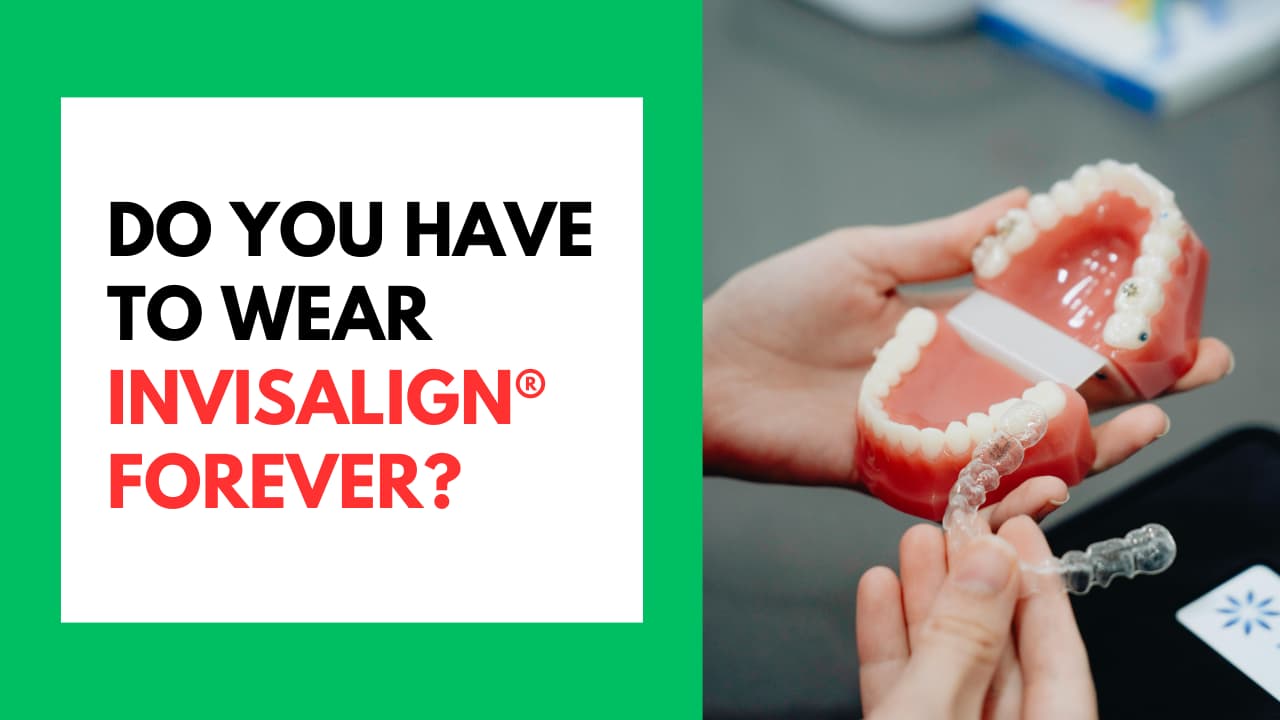
You do not have to wear Invisalign® aligners for your entire life. Invisalign® treatment usually takes about 12 to 18 months to straighten your teeth. Once your treatment is finished, you switch to wearing a retainer instead of Invisalign® aligners to keep your teeth in their new positions and prevent them from moving back.
Typically, the retainer is worn full-time for the first few months and then gradually reduced to nighttime wear. Some people may need to wear a retainer every night for life to maintain their results. However, this is different from wearing Invisalign® aligners continuously for life.
According to Dr. John Siu of The Dental People, “The most important thing is to wear your retainer consistently to keep your teeth properly aligned after Invisalign® treatment.” Invisalign® itself is not a lifelong commitment as an active aligner; only retainers are usually needed long-term to preserve your smile.
Ways to Maintain Your Smile Without Wearing Invisalign® Forever
To maintain your smile after Invisalign® without wearing aligners forever, “the most crucial practice is consistent use of retainers as prescribed by your orthodontist.” Dr. Siu advises. Retainers help keep teeth in their new position by preventing shifting once Invisalign® treatment ends. Here are some important ways to maintain that well-aligned smile without lifelong aligner wear:
- Besides wearing retainers, maintaining top-notch oral hygiene is critical. Brush twice daily with fluoride toothpaste, floss daily, and attend regular dental cleanings every six months. Good oral health supports the stability of the surrounding gums and bone that hold teeth in place.
- Regular follow-up visits with your dental professional are important to monitor your teeth’s alignment over time. Any minor movement detected early can be addressed promptly, preventing larger shifts.
- Proper care and cleaning of retainers and, if applicable, any remaining aligners, is necessary to avoid bacterial buildup or damage that can compromise function.
Wrapping Up
It’s always a good idea to consult your dentist or orthodontist about your Invisalign® treatment and what comes next. “If you are still unsure about the duration of wearing Invisalign®, a dental professional can give you personalized advice,” says Dr. John Siu.
Regular check-ups help make sure your smile stays healthy and looks great over time, no matter what your specific plan is.

Annie Edith is an experienced journalist and content creator with a strong passion for health and wellness. She takes a unique approach to her writing, exploring the latest trends in Dental, Fitness, and mental well-being, while providing readers with informative, research-based articles.