Many people search for foods that can quickly burn belly fat, but it is important to understand the science first. No single food can directly burn fat from a specific area of the body. Spot reduction is not possible. Belly fat decreases when the body burns more calories than it consumes over time. This usually happens through a combination of a balanced diet, regular physical activity, and healthy lifestyle habits.
However, some foods can support this process. Foods rich in protein, fiber, healthy fats, and certain natural compounds can help improve metabolism, control appetite, reduce inflammation, and support fat loss. When these foods are included regularly in a healthy diet, they may contribute to reducing visceral fat, which is the fat stored around the abdominal organs.
Below are ten nutrient rich foods that can help support belly fat loss naturally.
1. Eggs
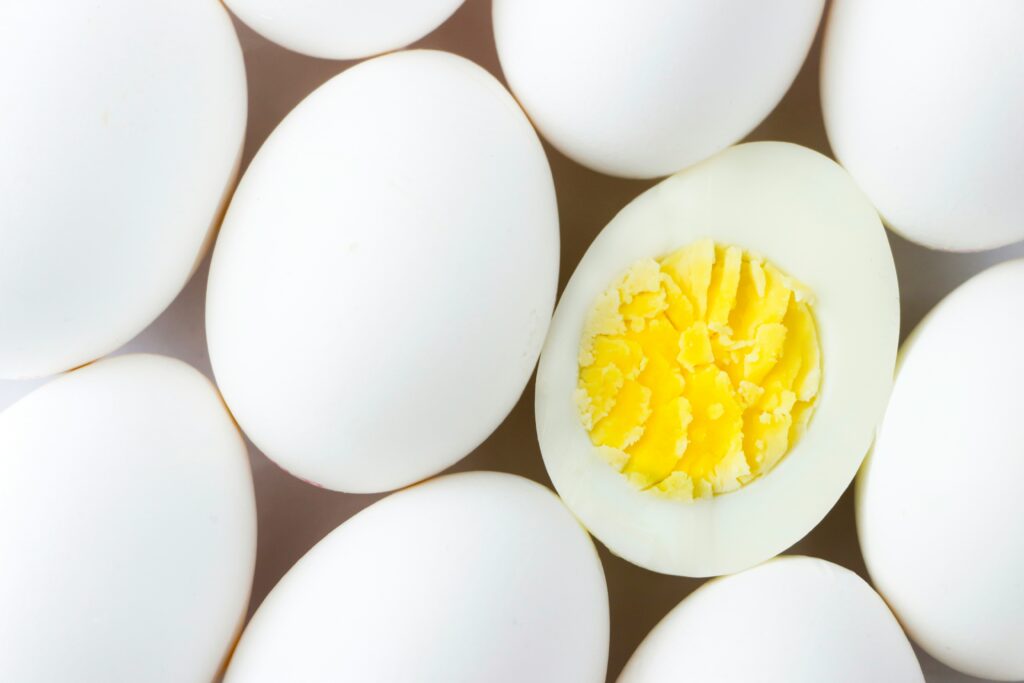
Eggs are one of the most nutrient dense foods you can eat, especially when trying to lose weight. They are rich in high quality protein, which helps increase satiety and reduces overall calorie intake during the day.
Protein also requires more energy to digest compared to carbohydrates or fats. This process slightly increases calorie burning, which may support weight management. Eggs also contain choline, a nutrient involved in fat metabolism and liver function.
Research has shown that people who eat eggs for breakfast often feel fuller and consume fewer calories later in the day compared with those who eat high carbohydrate breakfasts.
How to include them in your diet
Boiled eggs, vegetable omelets, or scrambled eggs with spinach and tomatoes make a satisfying breakfast that helps control hunger for hours.
2. Avocados
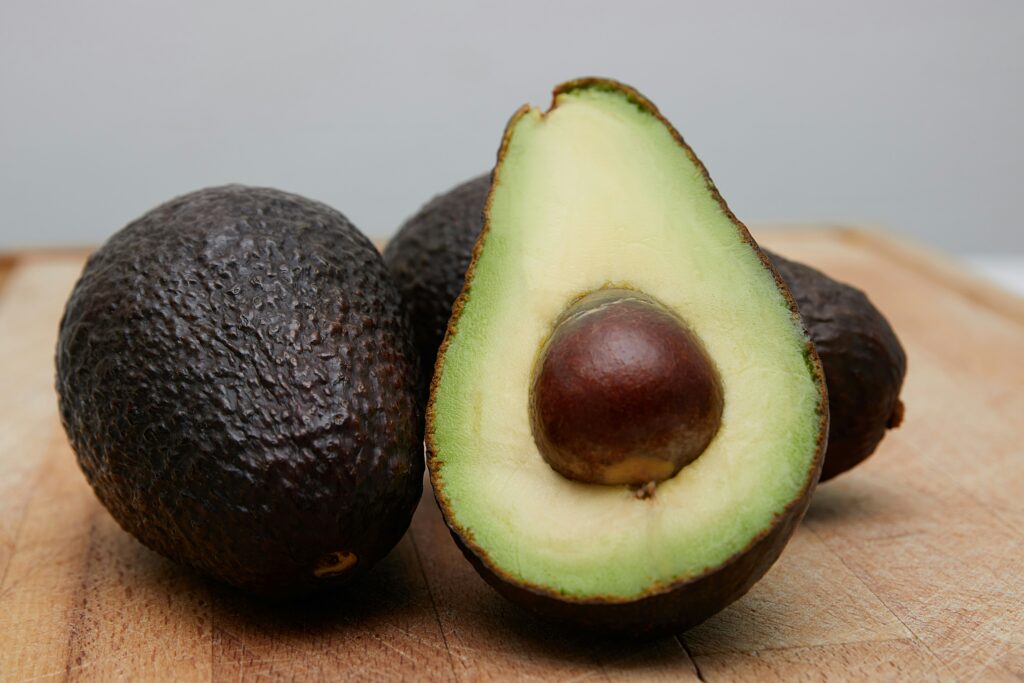
Avocados are often misunderstood because they are high in fat. However, most of their fat comes from monounsaturated fatty acids, which are considered heart healthy fats.
These fats help improve insulin sensitivity and may reduce the accumulation of visceral fat around the abdomen. Avocados are also high in fiber, which slows digestion and helps maintain stable blood sugar levels.
People who regularly eat avocados often have healthier body weight and smaller waist measurements.
How to include them in your diet
Add sliced avocado to salads, whole grain toast, or smoothies for a creamy texture and long lasting fullness.
3. Salmon
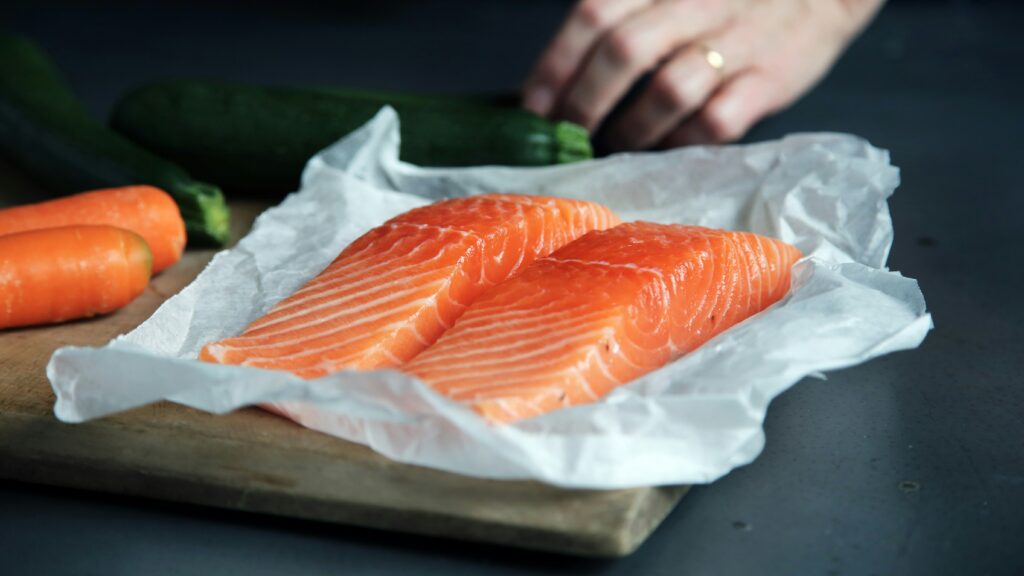
Salmon is an excellent source of protein and omega 3 fatty acids. Omega 3 fats are known to reduce inflammation in the body and support metabolic health.
Chronic inflammation is often linked with weight gain and abdominal fat accumulation. Omega 3 fatty acids may also help improve fat metabolism and support muscle maintenance during weight loss.
Protein rich foods like salmon also increase satiety, which can reduce overeating.
How to include it in your diet
Grilled or baked salmon with vegetables or whole grains can be a highly nutritious lunch or dinner option.
4. Oatmeal
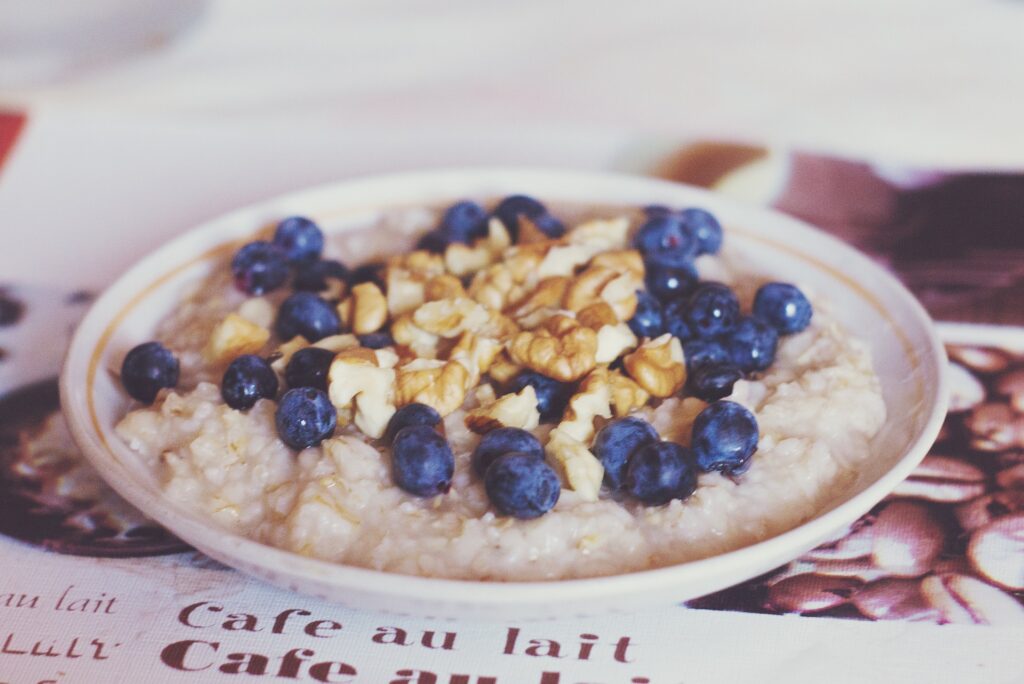
Oatmeal is rich in a type of soluble fiber called beta glucan. This fiber forms a gel like substance in the digestive system that slows digestion and keeps you full for longer periods.
Stable blood sugar levels reduce sudden hunger and cravings, which can help control calorie intake throughout the day.
Oats may also improve cholesterol levels and support heart health while helping with weight management.
How to include it in your diet
A bowl of oatmeal topped with berries and chia seeds is a filling and nutrient rich breakfast.
5. Raspberries
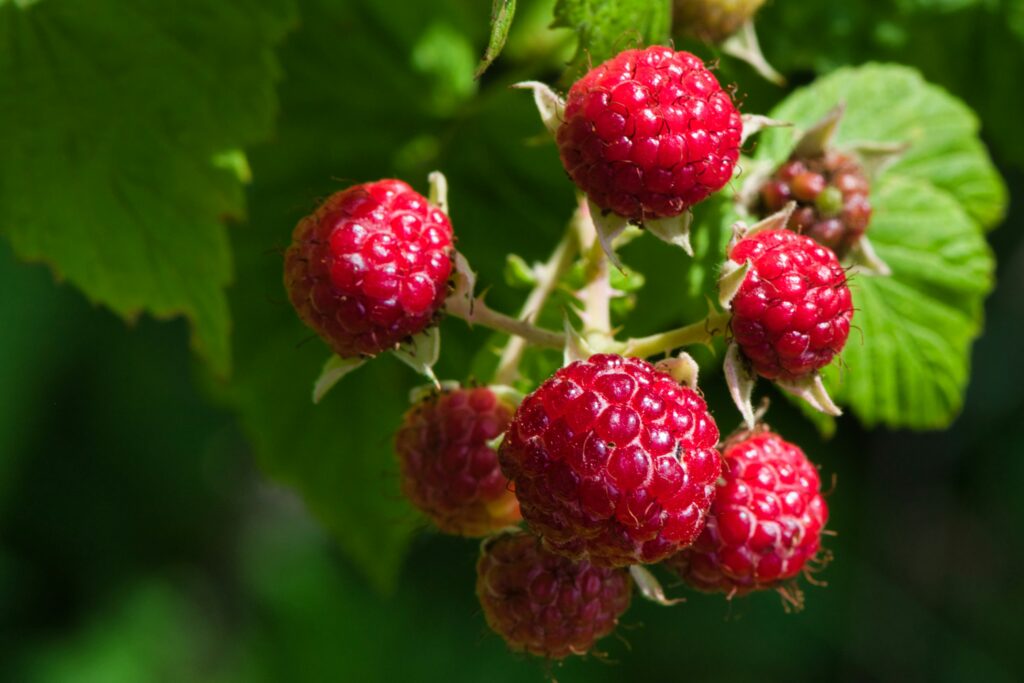
Raspberries are low in calories but extremely high in fiber. One cup provides around 8 grams of fiber, which helps slow digestion and improve satiety.
Fiber rich foods are associated with lower body weight and reduced belly fat because they help control hunger and improve gut health.
Raspberries also contain antioxidants that support metabolic health and reduce inflammation.
How to include them in your diet
They can be added to yogurt, oatmeal, smoothies, or eaten as a healthy snack.
6. Mushrooms
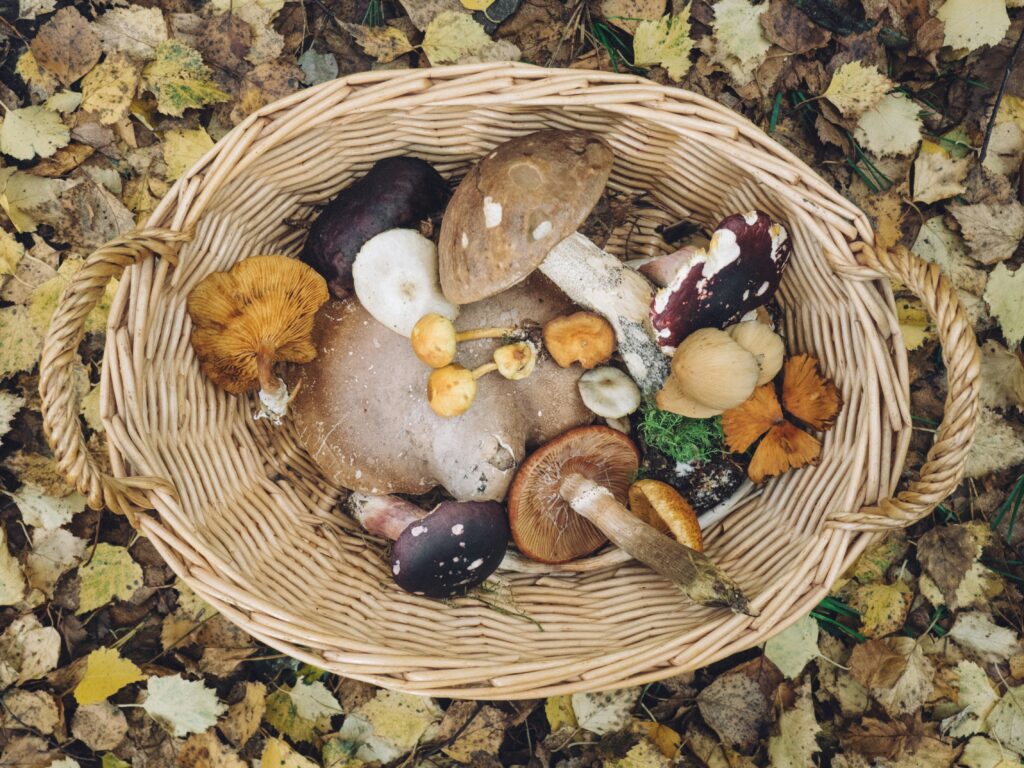
Mushrooms are low in calories but rich in nutrients and antioxidants. They are also a good source of fiber and compounds that support gut health.
Replacing higher calorie foods with mushrooms may reduce total calorie intake while still keeping meals satisfying.
Some studies also suggest that mushrooms may support healthy blood sugar levels, which can help prevent fat storage.
How to include them in your diet
Mushrooms can be added to stir fries, omelets, soups, or grilled as a meat substitute in some dishes.
7. Greek Yogurt

Greek yogurt is rich in protein and contains probiotics that support gut health. A healthy gut microbiome plays an important role in digestion, metabolism, and body weight regulation.
Protein helps maintain muscle mass during weight loss while also increasing fullness. Eating protein rich snacks can help reduce unnecessary snacking later in the day.
How to include it in your diet
Choose plain Greek yogurt and add fresh fruits, nuts, or chia seeds instead of flavored varieties that often contain added sugar.
8. Chia Seeds
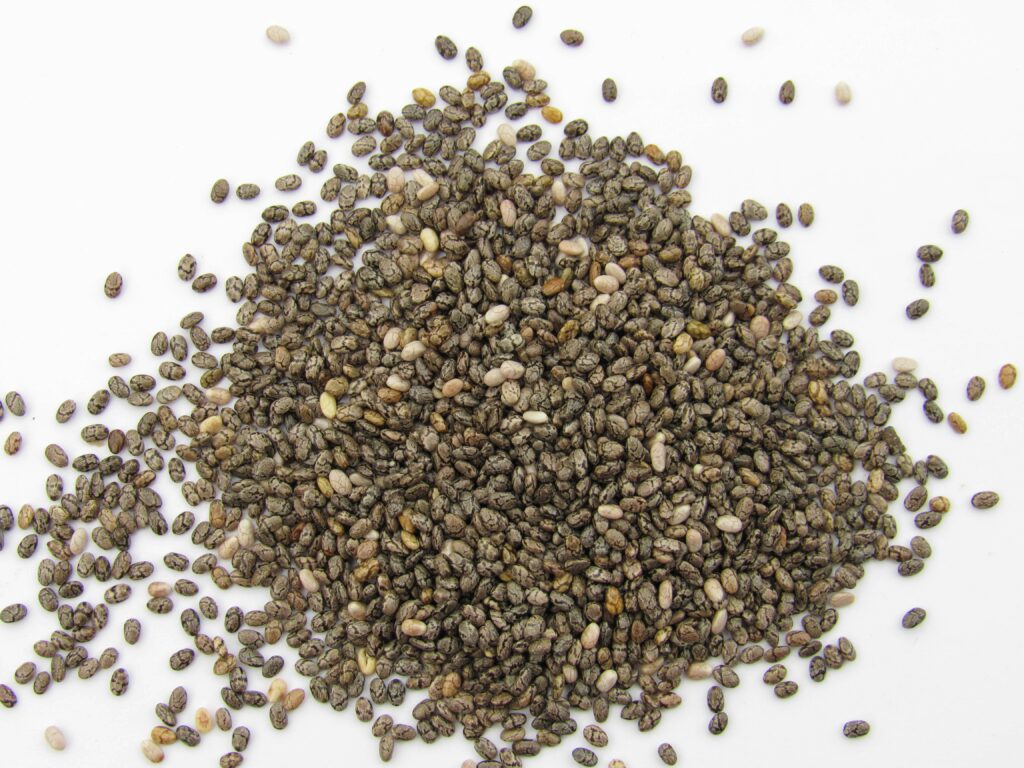
Chia seeds are tiny but extremely powerful nutritionally. They are rich in fiber, omega 3 fatty acids, and plant based protein.
When mixed with liquid, chia seeds absorb water and expand, forming a gel like texture. This process slows digestion and helps keep you full longer.
High fiber intake has been consistently linked with lower belly fat and improved weight management.
How to include them in your diet
Add chia seeds to smoothies, oatmeal, yogurt, or make chia pudding for a healthy dessert.
9. Chili Peppers
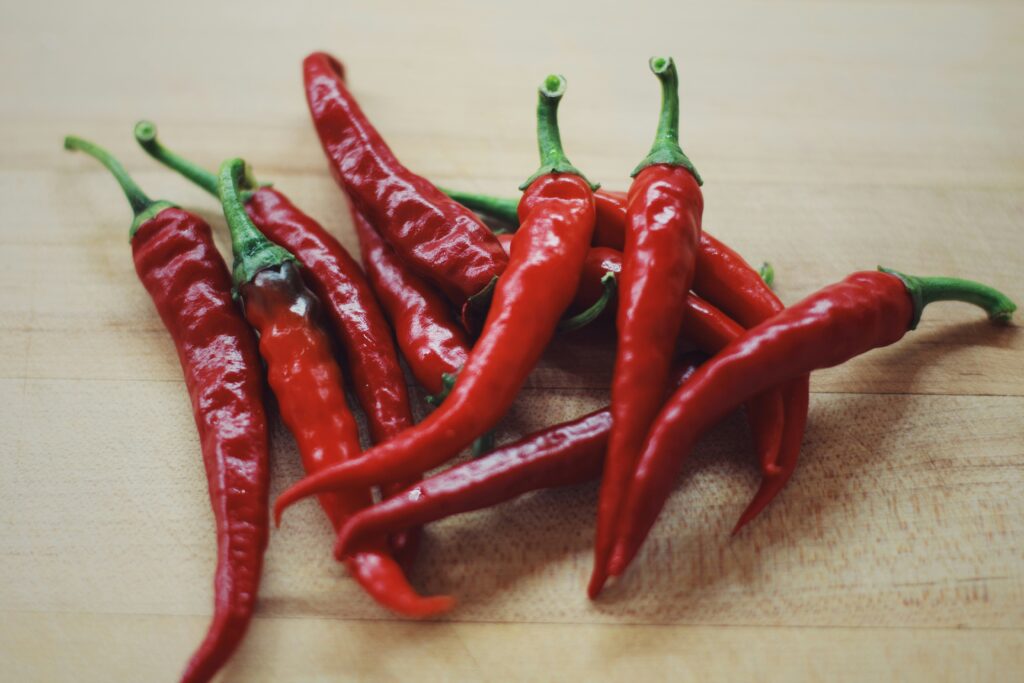
Chili peppers contain capsaicin, a natural compound responsible for their spicy taste. Capsaicin may increase thermogenesis, which is the body’s process of producing heat and burning calories.
Some studies suggest capsaicin may also help reduce appetite and increase fat oxidation.
Although the effect is modest, regularly including spicy foods in a balanced diet may support weight management.
How to include them in your diet
Add fresh chili peppers or chili flakes to soups, sauces, stir fries, or grilled dishes.
10. Quinoa
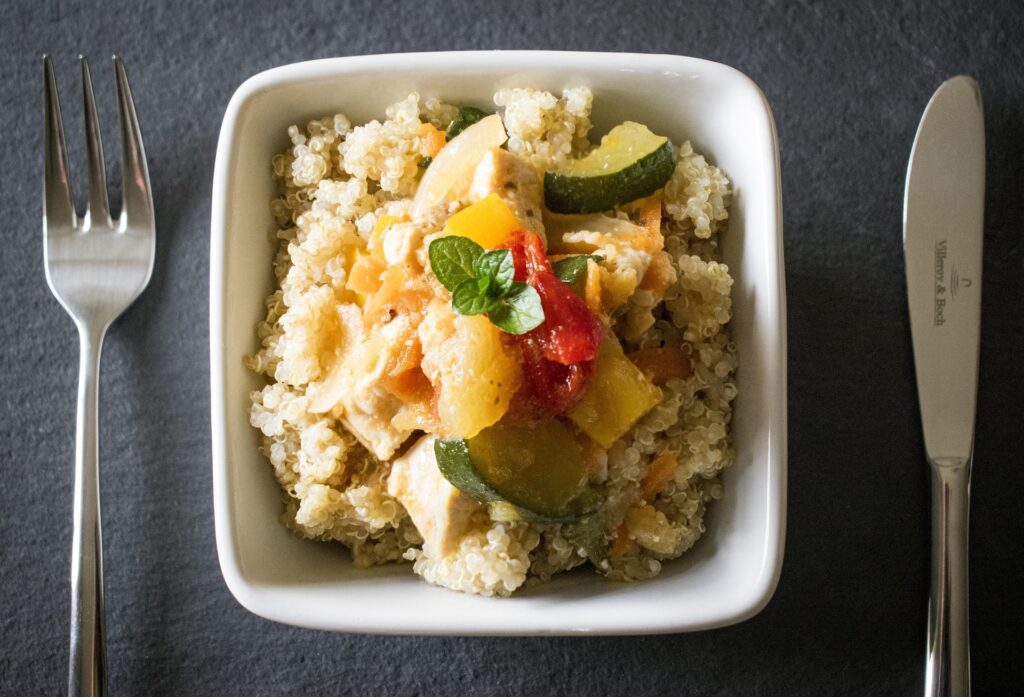
Quinoa is a nutrient rich whole grain that contains both protein and fiber. Unlike many plant foods, quinoa provides all nine essential amino acids, making it a complete protein.
This combination of protein and fiber helps control hunger, maintain energy levels, and support muscle mass during weight loss.
Quinoa also has a relatively low glycemic index, meaning it causes slower rises in blood sugar compared with refined grains.
How to include it in your diet
Use quinoa as a base for salads, grain bowls, or as a healthy alternative to white rice.
Tips for Losing Belly Fat Naturally
While these foods can support fat loss, they work best when combined with healthy lifestyle habits.
Focus on a balanced diet that includes whole foods, lean protein, vegetables, fruits, and whole grains. Regular physical activity such as walking, strength training, or cardio exercise helps increase calorie burning and reduce visceral fat. Quality sleep and stress management are also important because hormonal imbalances can contribute to fat storage around the abdomen.
Instead of relying on a single food or quick fix, aim to build long term habits that support overall health and sustainable weight management.